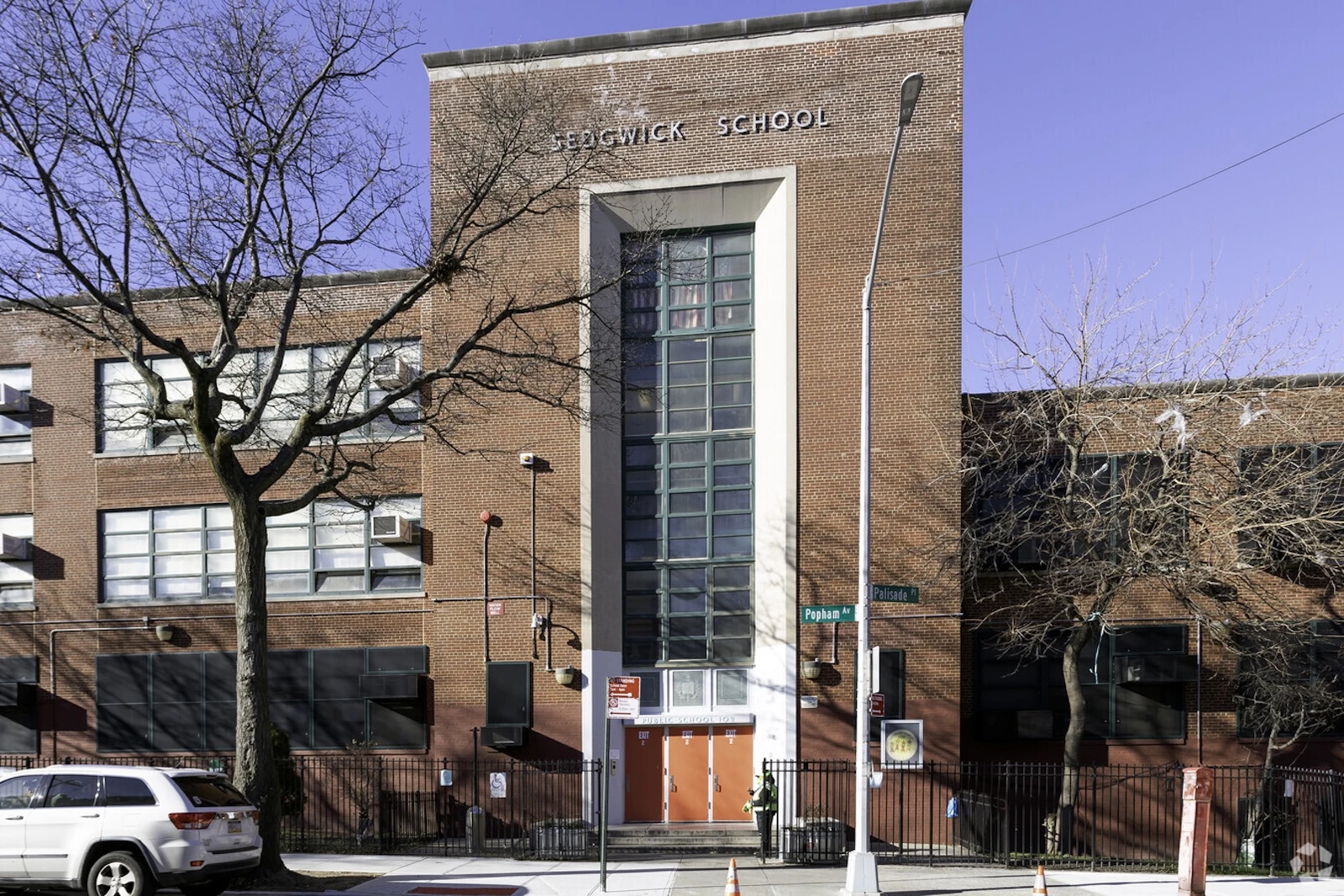


As part of New York City’s 80×50 Initiative, which aims to reduce fossil fuel use by 80% by 2050, the New York City School Construction Authority (NYCSCA) engaged Velocity to design the full electrification of PS 109 Sedgewick School in the Bronx. The project fully eliminates on-site fossil fuel consumption while minimizing energy demand in the new mechanical systems.
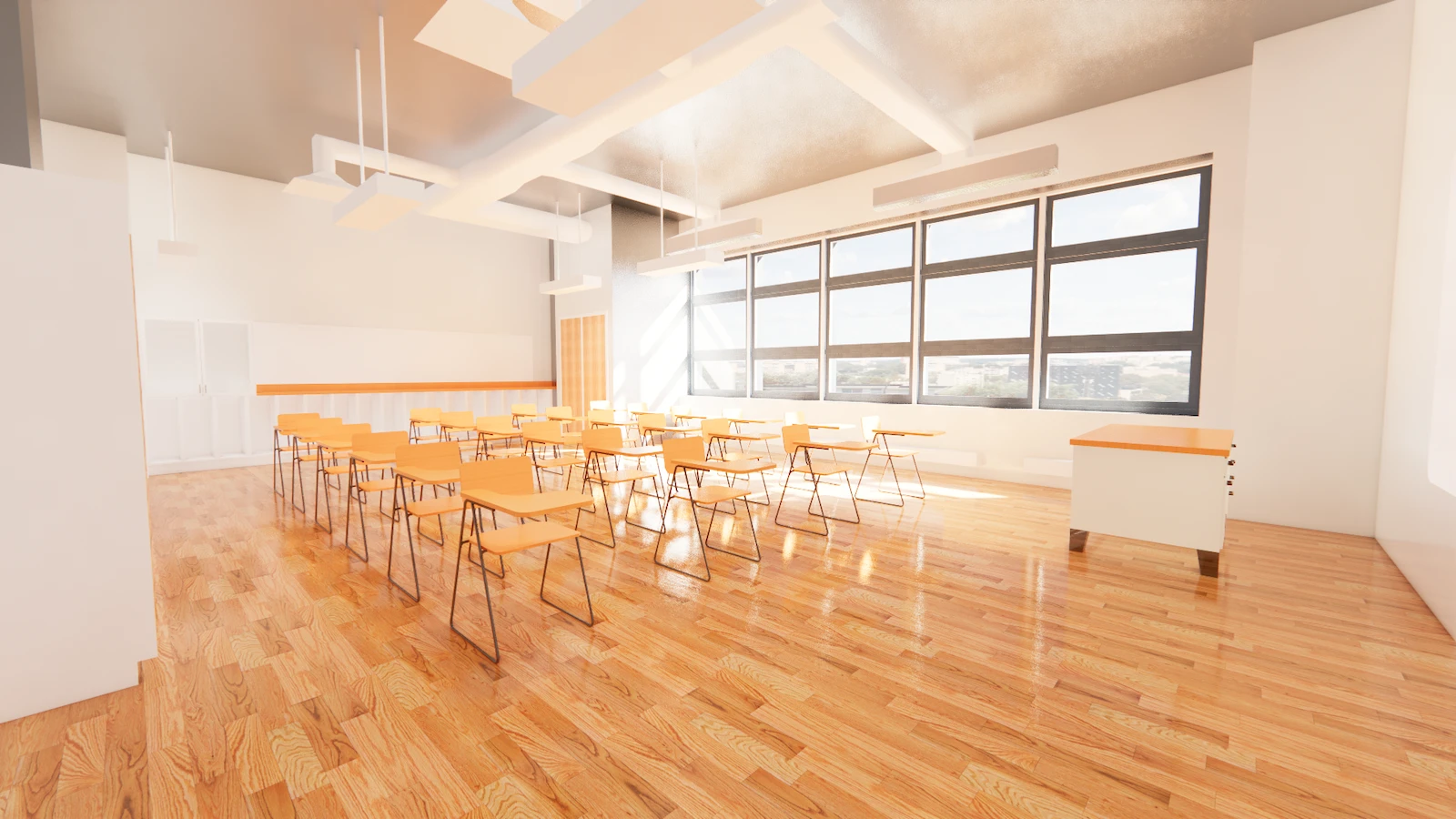
To accommodate the increased electrical load associated with removing the existing boilers, Velocity designed a new electrical room on the first floor by subdividing Classroom 109 into two spaces: an Electrical Room and a Teacher’s Lounge. The lounge received upgraded finishes including new ceilings, LED lighting, a pantry, drinking fountain, and enhanced windows. The instructional program previously housed in Room 109 was relocated to Library 204, which is being converted into an ADA-compliant classroom with updated finishes and new HVAC systems.
The legacy oil boiler plant was replaced with an all-electric heating and cooling solution. Classroom conditioning is provided via vertical unit ventilators and perimeter heaters, while rooftop units serve larger public spaces. A new Building Management System (BMS) integrates HVAC and low-voltage systems, including fire alarm, public address, and intrusion alarm systems. Velocity also coordinated with Con Edison for the upgraded electrical service and incorporated backflow preventers to ensure code compliance.
To further enhance building performance and energy efficiency, the design includes replacement of the roof, parapets, and all windows, significantly improving the building’s thermal envelope.
Velocity evaluated multiple electrification strategies for this project, partnering with equipment manufacturers and developing several renderings and design alternatives, including varied ductwork configurations and complementary MEP solutions. Cost estimators were closely integrated into the design process to identify the most cost-effective approaches. The team also participates in weekly construction meetings, providing support to both the General Contractor and the client throughout implementation.